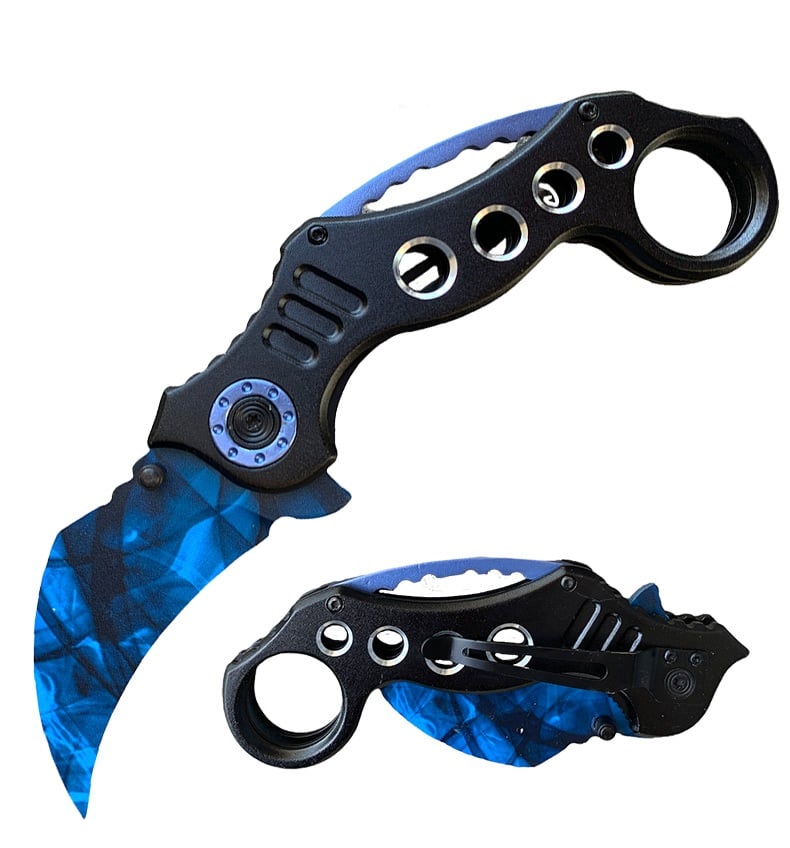
OTF Knives: A Modern Cutting Tool Designed for Speed and Everyday Utility

The world of knives has evolved dramatically over the years, introducing designs that combine innovation with practicality. Among the many styles available today, OTF knives have gained considerable attention for their unique opening mechanism and sleek appearance. Short for "Out-The-Front," these knives feature a blade that deploys directly from the front of the handle with the push or slide of a button. While often associated with tactical applications, OTF knives are also appreciated by collectors, outdoor enthusiasts, and individuals who value convenience in a cutting tool. Their modern engineering and quick deployment make them stand out from traditional folding knives, offering a unique experience for users who prioritize efficiency and functionality. What Are OTF Knives? Unlike conventional folding knives that rotate outward from a pivot point, OTF knives extend the blade straight out from the front of the handle. This deployment system uses an internal mechanism tha...