Posts

Showing posts with the label fixed blade knives

Parts of a Dagger: Understanding the Anatomy of a Classic Blade

Image
  The parts of a dagger are more than just individual components that make up a blade. Each section has a specific purpose that contributes to the dagger’s balance, appearance, handling, and overall design. Whether you are interested in historical weapons, craftsmanship, collecting, or simply learning about traditional blade anatomy, understanding the parts of a dagger provides valuable insight into how these iconic tools were created and used throughout history. Daggers have existed for thousands of years and have appeared in countless cultures around the world. While styles and shapes vary significantly, many daggers share a common structure. By exploring the parts of a dagger, it becomes easier to appreciate the skill and attention to detail involved in their design. The Blade: The Heart of the Dagger Among all the parts of a dagger, the blade is undoubtedly the most recognizable. The blade is the elongated metal section that extends from the handle and defines much of the dagg...

How Can a Fixed-blade Knife be Useful?

Image
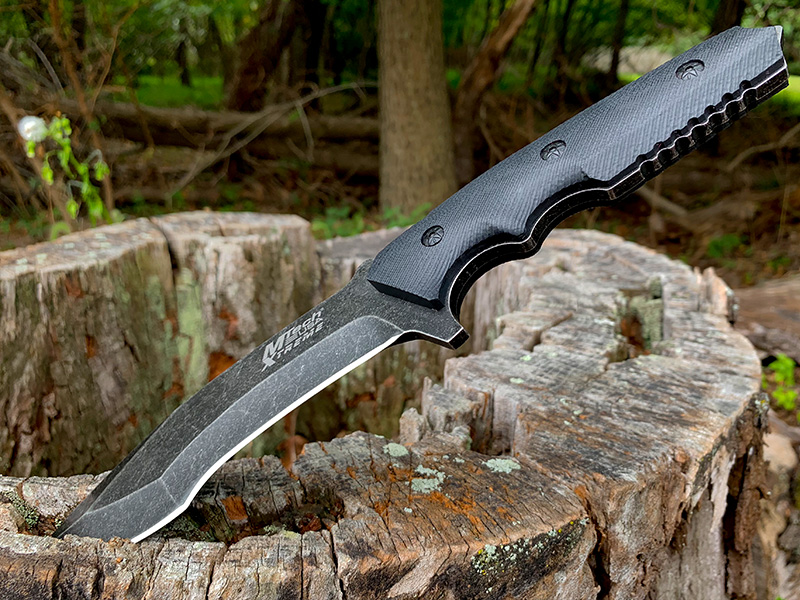
  A fixed-blade knife is a knife with a blade permanently affixed to the handle. This is different from folding knives, which have hinges and can be locked into various positions. These knives are generally used for cutting, slicing, chopping, and stabbing. Examples can include pocket knives or hunting knives.  Using a fixed-blade tool compared to a folding one has several advantages. It is easier to clean and maintain this knife than folding knives because the blades are not susceptible to dirt, grime, and moisture between the handle joints. This can be used in emergency situations where folding knives might not function properly; examples include hitting objects, prying objects apart, etc.  Using Techniques for Fixed Blades: If you find yourself in need of a knife but are scared to use one in case you get injured, then this blog might be able to help. In this blog post, we’ll cover everything from the difference between folding and fixed blade knives, how to sharpen bo...

What is The Use of A Fix-Blade Knife?

Image
  If you’re new to the world of knives and tools, getting started can seem daunting. But fear not: here’s a guide to everything you need to know about the fix-blade knife, from how it differs from a folding blade to how you pick one out! This knife has two parts: the handle and the blade. The blade is attached at the end of that handle, meaning it can't fold away when not used. It is an essential part of the knife, and therefore it is not detachable, which means you have to have both parts actually to use it. Because of this, this knife is more difficult to carry. Fixed VS Folding Blades The first major difference between the two types of knives is in how they’re made. While folding blades are usually constructed from multiple pieces put together and then attached to the handle, a fix-blade knife is made out of just one piece: the blade. This makes it stronger than its counterpart — a double-edged sword perhaps — and therefore often more durable.  On the flip side, a fixed bla...

What is The Status of The Bowie Knife Today?

Image
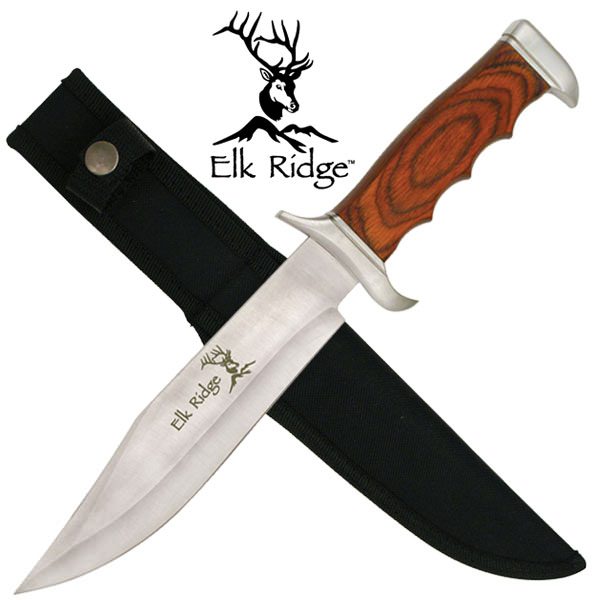
Whether you’re an avid outdoorsman or just someone who likes to be prepared, you’ve probably heard of a bowie   knife . Named after renowned frontiersman Jim Bowie, these knives are known for their large size and durability. It is a type of large knife that was popularized in the early 1800s by American frontier pioneer and folk hero, Jim Bowie.  The original Bowie was designed by blacksmith James Black and was said to be modeled after a French hunting knife that Bowie had owned. The blade is typically long and relatively wide, making it effective for both hunting and self-defense. These knives are also often equipped with a guard and a curved, clip-point blade, which makes them distinctive from other types of knives. Whether you're looking for a functional hunting or survival knife or want to add an iconic piece to your collection, a bowie is a great option. Just be sure to choose a reputable brand and never use your knife for tasks it wasn't designed for - like prying op...