Posts

Showing posts with the label mtechknives

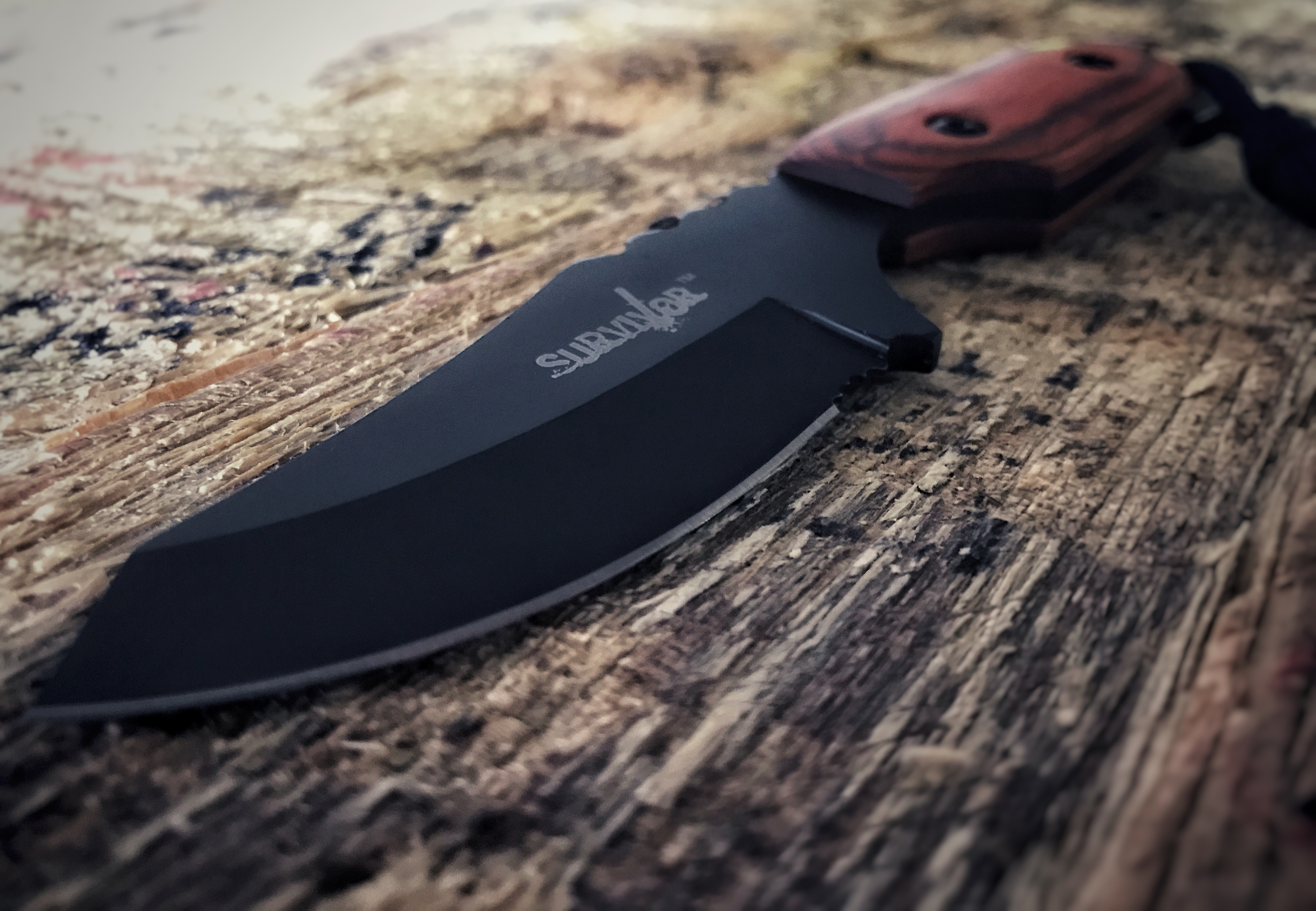
Parts of a Dagger: Understanding the Anatomy of a Classic Blade

Image
  The parts of a dagger are more than just individual components that make up a blade. Each section has a specific purpose that contributes to the dagger’s balance, appearance, handling, and overall design. Whether you are interested in historical weapons, craftsmanship, collecting, or simply learning about traditional blade anatomy, understanding the parts of a dagger provides valuable insight into how these iconic tools were created and used throughout history. Daggers have existed for thousands of years and have appeared in countless cultures around the world. While styles and shapes vary significantly, many daggers share a common structure. By exploring the parts of a dagger, it becomes easier to appreciate the skill and attention to detail involved in their design. The Blade: The Heart of the Dagger Among all the parts of a dagger, the blade is undoubtedly the most recognizable. The blade is the elongated metal section that extends from the handle and defines much of the dagg...

Uses and Specifications of The Popular Mtech Knives

Image
  A mtech is a type of folding pocket knife designed for personal protection that typically employs a spring-loaded mechanism to open the blade from its closed position. This knife has been around since the late nineteenth century but only became popular about 40 years later. The mtech knives first gained traction because they were small enough to fit in one's pocket and had a quick and easy way of deploying the blade, which allowed them to be used effectively in self-defense. Today, those features have made them popular as everyday carry knives for both men and women who live or work in high crime areas. History of Mtech Knives The history of mtech knives started with the American Civil War when knife makers in Europe began to produce and sell them to U.S. soldiers fighting in the conflict. One of these mtech knives was specifically designed for the soldier, who would carry it on his waist while on a battlefield as it could be used for scissor functions as well as a blade.  ...