Posts

Showing posts with the label bowieknife

Parts of a Dagger: Understanding the Anatomy of a Classic Blade

Image
  The parts of a dagger are more than just individual components that make up a blade. Each section has a specific purpose that contributes to the dagger’s balance, appearance, handling, and overall design. Whether you are interested in historical weapons, craftsmanship, collecting, or simply learning about traditional blade anatomy, understanding the parts of a dagger provides valuable insight into how these iconic tools were created and used throughout history. Daggers have existed for thousands of years and have appeared in countless cultures around the world. While styles and shapes vary significantly, many daggers share a common structure. By exploring the parts of a dagger, it becomes easier to appreciate the skill and attention to detail involved in their design. The Blade: The Heart of the Dagger Among all the parts of a dagger, the blade is undoubtedly the most recognizable. The blade is the elongated metal section that extends from the handle and defines much of the dagg...
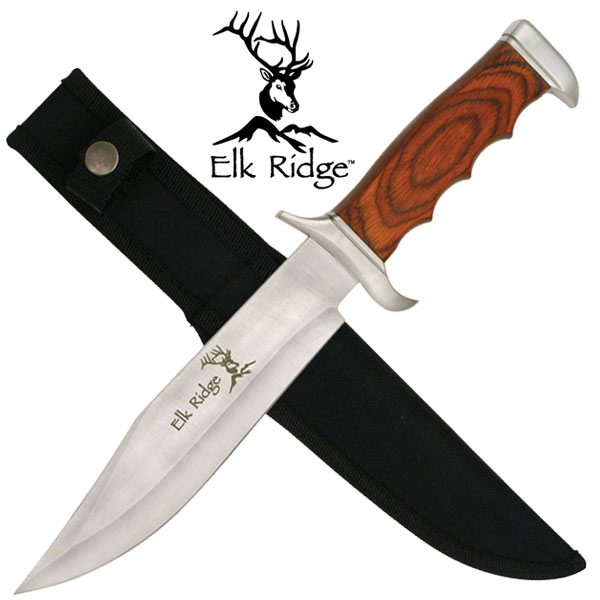
How to Use a Bowie Knife? A Step-by-Step Guide!

Image
A Bowie knife is a type of large hunting or combat knife. The blade does not taper much from the handle to the point, giving it a dramatic drop-point shape. It was designed by James Black, who was inspired by Arkansas hickory farmer James Bowie's original design and his probably fatal 1827 duel with former US Army officer Lieutenant Colonel Thomas "Crawfish" Jones on the Louisiana sandbar of what is now called Bloody Island Creek. The term "Bowie" may also refer to any large sheath knife with a crossguard. The original Bowie had a large crossguard and a handguard, though these are not present in modern examples. The knife's blade design originated in the woodlands of Arkansas in the early 1800s, when it was used as a hunting knife for skinning squirrels, wild turkeys, and deer.  James Black made the first knife in 1830. The popularity of this design spawned many variants—each one with subtle variations. By the mid-19th century, many small smiths across the ...