Posts

Parts of a Dagger: Understanding the Anatomy of a Classic Blade

Image
  The parts of a dagger are more than just individual components that make up a blade. Each section has a specific purpose that contributes to the dagger’s balance, appearance, handling, and overall design. Whether you are interested in historical weapons, craftsmanship, collecting, or simply learning about traditional blade anatomy, understanding the parts of a dagger provides valuable insight into how these iconic tools were created and used throughout history. Daggers have existed for thousands of years and have appeared in countless cultures around the world. While styles and shapes vary significantly, many daggers share a common structure. By exploring the parts of a dagger, it becomes easier to appreciate the skill and attention to detail involved in their design. The Blade: The Heart of the Dagger Among all the parts of a dagger, the blade is undoubtedly the most recognizable. The blade is the elongated metal section that extends from the handle and defines much of the dagg...

Mastering the Craft: How Twisted Daggers are Made

Image
  The unique twist or swirling of their blades provides twisted daggers with an intriguing type of edged weaponry. These daggers have great historical, cultural, and artisanal significance because they are frequently made with accuracy and craftsmanship. They stand out due to their distinctive design, providing practical benefits and eye-catching appeal.  Throughout history, these daggers have been widely used and appreciated for their beautiful workmanship and symbolic meaning. The realm of these charming daggers stimulates investigation and admiration, whether one takes a look at their historical provenance, the artistry involved in their manufacture, or their use in combat and mythology. Construction of Twisted Daggers  Crafting twisted daggers involves a meticulous process that requires skill, precision, and specialized techniques. Here's an overview of how these unique blades are typically made: Selecting Materials: For the blade, premium steel or alloys are freque...

What Type of Blades Used for Cool Pocket Knives?

Image
  The history of c ool pocket knives is a long and complicated one. They have been used in many professions, not just carpentry or cooking. These small weapons were also used by soldiers. Some notable inventors of pocket knives are James Black, who invented the "jackknife" in 1818, and John Skelton Williams, an American inventor who invented the safety blade style of folding knife in 1902. In addition to this work with blades, Williams also became well known for a variety of gadgets including flashlights and keyless chucks for use with lathes. Features of Cool Pocket Knives When you're looking for a new pocket knife, there are a few features to consider before buying. The most important is the blade type. A locking blade, for example, will help keep the knife securely closed when not in use and can make it easier to take on and off of your belt or backpack. Other features include ergonomic handles, like an oval shape with contour or textured gripping surfaces. Let's ...

5 Popular Tactical Knives for Your Coming Adventure!

Image
  Tactical knives are a type of knife that is specially designed for military, law enforcement, and other tactical purposes. They include a variety of blade patterns and handle materials. These knives are tools built specifically for specific purposes, according to one source. Blades can be made from a variety of materials including stainless steel or carbon steel.  The blade can have a clip point, sweeping hook tip, spey point, drop point, or spear-point shape. Handle materials can include rubberized handles with metal bolsters or injection molded textured handles made from nylon with steel inserts at the joint. Many of these knives are designed for military, law enforcement, and other first-responder use. These knives may feature serrations and saw teeth on the blade. This knife is a military-style knife with features such as a partially serrated blade, a secure grip, and a lanyard hole. This knife may also be called a combat knife or fighting knife. If you're looking for a...

How Can a Fixed-blade Knife be Useful?

Image
  A fixed-blade knife is a knife with a blade permanently affixed to the handle. This is different from folding knives, which have hinges and can be locked into various positions. These knives are generally used for cutting, slicing, chopping, and stabbing. Examples can include pocket knives or hunting knives.  Using a fixed-blade tool compared to a folding one has several advantages. It is easier to clean and maintain this knife than folding knives because the blades are not susceptible to dirt, grime, and moisture between the handle joints. This can be used in emergency situations where folding knives might not function properly; examples include hitting objects, prying objects apart, etc.  Using Techniques for Fixed Blades: If you find yourself in need of a knife but are scared to use one in case you get injured, then this blog might be able to help. In this blog post, we’ll cover everything from the difference between folding and fixed blade knives, how to sharpen bo...

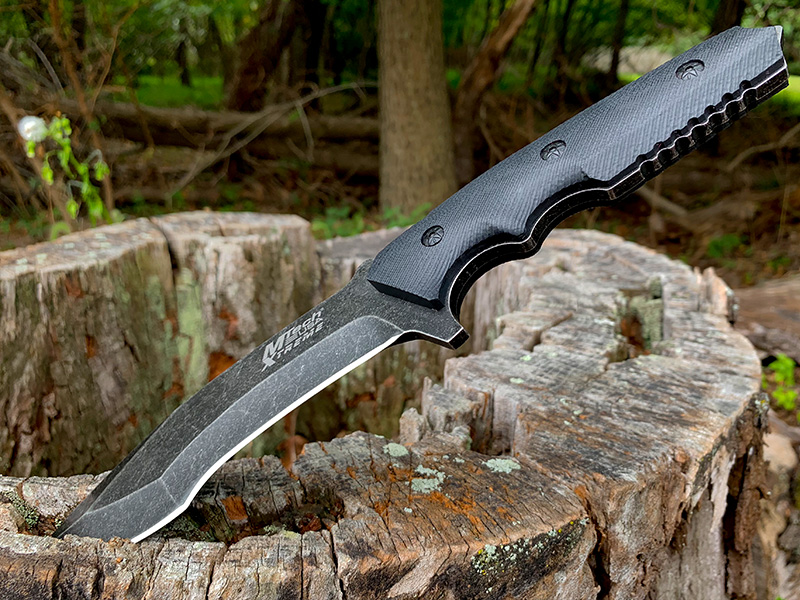
Uses and Specifications of The Popular Mtech Knives

Image
  A mtech is a type of folding pocket knife designed for personal protection that typically employs a spring-loaded mechanism to open the blade from its closed position. This knife has been around since the late nineteenth century but only became popular about 40 years later. The mtech knives first gained traction because they were small enough to fit in one's pocket and had a quick and easy way of deploying the blade, which allowed them to be used effectively in self-defense. Today, those features have made them popular as everyday carry knives for both men and women who live or work in high crime areas. History of Mtech Knives The history of mtech knives started with the American Civil War when knife makers in Europe began to produce and sell them to U.S. soldiers fighting in the conflict. One of these mtech knives was specifically designed for the soldier, who would carry it on his waist while on a battlefield as it could be used for scissor functions as well as a blade.  ...

Cool Knives Sale: 5 Best Options in The Market!

Image
  Do you cook every day? If so, use knives in your kitchen. Knives are handy in the modern world for many reasons we can't cover in this post. Do you find yourself feeling more at ease when cooking without having a knife within reach? Maybe this might help! Cool Knives sales come with some significant benefits but also some risks. Unfortunately, if a child is left in the house with the knife and reaches for it, then they could cause harm to themselves or someone else. Children are often curious and creative and can pick up anything that looks interesting to them which could lead to tragedy if they are not closely supervised around knives. Here are some of the most popular knives: Pocket Knives: A pocket knife is a folding knife, which can be easily carried in the pocket. The blade can be about 3-5 inches long, although there are smaller blades for tasks like peeling fruit. They are often used in trades such as construction or by hobbyists such as whittlers and fishermen.  F...

Privacy Policy

Privacy Policy for Professional Knives USA At Professional Knives USA, accessible from http://proknivesusa.blogspot.com/, one of our main priorities is the privacy of our visitors. This Privacy Policy document contains types of information that is collected and recorded by Professional Knives USA and how we use it. If you have additional questions or require more information about our Privacy Policy, do not hesitate to contact us. This Privacy Policy applies only to our online activities and is valid for visitors to our website with regards to the information that they shared and/or collect in Professional Knives USA. This policy is not applicable to any information collected offline or via channels other than this website. Consent By using our website, you hereby consent to our Privacy Policy and agree to its terms. Information we collect The personal information that you are asked to provide, and the reasons why you are asked to provide it, will be made clear to you at ...